Restaurant Grand Opening Ideas That Fill Tables
Good restaurant grand opening ideas fill the dining room without overloading the kitchen: a soft opening first, then tasting-style menus, opening-day specials, local partner nights and simple decor. Before promoting anything, confirm health, fire occupancy, accessibility and any alcohol licensing with your local authorities. Guest numbers should follow what the kitchen can actually serve.
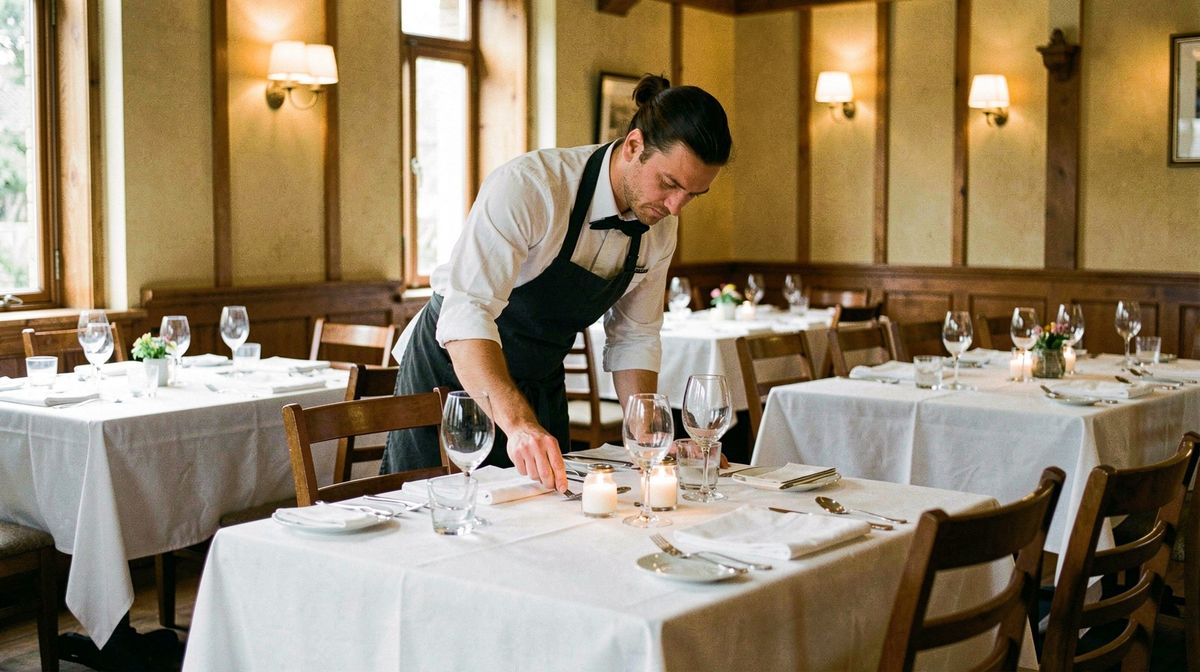
Part of our guide: Grand Opening Ideas: 30 Ways to Draw a Crowd
How should a restaurant sequence its openings?
Start with a soft opening, then hold the grand opening once the kitchen and floor run smoothly. A restaurant has more moving parts than most businesses, and the public notices slow food and mix-ups. See restaurant soft opening for how to run the trial, and the main ideas by goal for options across business types.
General information, not legal or licensing advice. Rules differ by country, state and city; check your local health department, permit office and fire marshal.
Which ideas work in the dining room?
- Limited opening menu. A focused menu is easier for the kitchen and still shows your style.
- Tasting-style plates. Small portions let guests try more; keep the process simple for the line.
- Opening-week special. Write the terms plainly and include an end date.
- Local partner nights. A nearby business invites its customers; you host.
- Neighbor welcome. Invite people on your block directly for a first visit.
- Meet the team. A short greeting from the owner or chef, no speech required.
- Reservation or walk-in plan. Decide which you take and say it in every announcement.
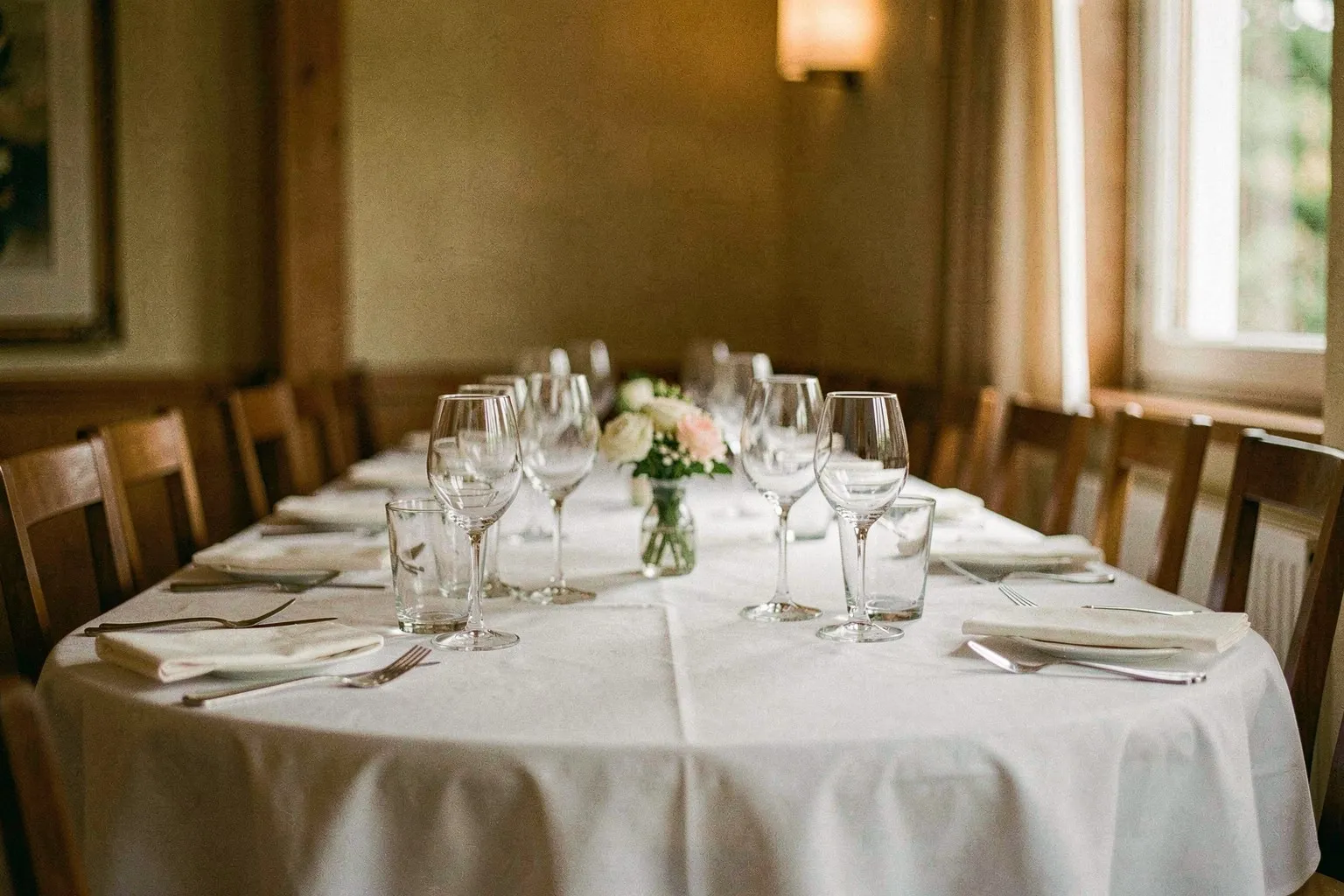
What about drinks and the bar?
Alcohol is regulated locally and by states. The SBA lists alcoholic beverages among the activities that need a federal license or permit, and notes that states and localities regulate more. Check with your state licensing authority before you advertise any alcohol offer. This site does not cover alcohol rules in detail; ask your state licensing authority.
Non-alcoholic ideas work for any opening: a signature drink, a coffee or tea hour, a children’s menu.
How many guests can the kitchen serve?
Plan guests around the kitchen, not the room. Count how many plates the line can send out at once, how long each takes, and what happens when orders bunch up. A soft opening shows the real limits.
- List the dishes you will serve on opening day.
- Time a full table’s order during practice service.
- Cap seatings or use reservation windows.
- Keep a short backup menu if an item runs out.
What entertainment and decor ideas fit a restaurant?
Keep it in the room’s character: a local solo musician at low volume, a window display, table styling, a simple welcome sign. See decoration ideas. Check noise and entertainment rules with your city first.
How do you collect reviews and sign-ups responsibly?
- Ask for sign-ups with a clear purpose and say what you will send.
- Invite honest reviews. The FTC says endorsements must reflect the honest experience of the endorser and that a paid endorsement must be disclosed; see its advertising FAQs.
- Do not offer rewards that depend on a positive review, since endorsements should reflect honest opinion.
What health, fire and accessibility points should you confirm first?
- Health. The FDA Food Code is a model that regulators adapt, so your local health department sets the rules for inspections, permits and food handling. Ask before serving samples outside the dining room.
- Fire occupancy. Ask your fire marshal how occupancy limits apply to your space on a busy day.
- Accessibility. The ADA asks public businesses to remove barriers when readily achievable and to take steps to communicate effectively with customers with disabilities. Plan a usable entrance, aisle width and seating choices.
- Offer terms. Place conditions near the offer they affect.
Sign-off 2026-11-17: the Grand Openings Guide team matched each claim to its cited source. The team holds no licensing credential; see the editorial policy. For free samples and prizes, read giveaway ideas. Budget by category with the budget estimator, then tie it into the marketing plan.
Printed announcements are covered in the flyer wording examples.
Quick answers
What are good restaurant grand opening ideas?
Strong ideas match what your kitchen can deliver: a soft opening for friends and neighbors, a limited tasting-style menu, an opening-week special with clear terms, a partner night with a nearby business, and a simple photo-friendly corner. Start small, learn from the first service, and expand once the team handles a full room.
How do you promote a restaurant grand opening?
Announce the date and what guests can expect through social media, email, a window notice and personal invitations. Show the menu direction and hours. Invite neighbors and nearby workers directly, and ask partner businesses to share the date. Keep claims accurate and offers clear, with start and end dates stated.
Should a restaurant offer free food at its grand opening?
It can work, but it is a business decision, not a rule. Free samples draw people in, yet they can overload the kitchen and cut into sales. If you offer them, limit the item and the time, tell staff the plan, and confirm with your health department what food handling rules apply. State any limits in your announcement.
How long should a restaurant grand opening last?
It varies. Many restaurants run a soft opening first, then promote an opening weekend or an opening week. Match the length to your staffing and supplies, and watch for kitchen fatigue. A shorter, well-run event usually leaves a better impression than a long one that strains the team.
What licenses do you need before a restaurant opens?
Requirements differ by country, state and city, so there is no single list. The SBA notes that restaurants are commonly regulated locally and that most small businesses need licenses and permits at more than one level. Contact your local health department, permit office and fire marshal to learn what applies to your address.
Where this comes from
- FDA: Food Code (fda.gov)
- SBA: Apply for licenses and permits (sba.gov)
- ADA.gov: Title III primer (public accommodations) (ada.gov)
- FTC: Advertising FAQs, a guide for small business (ftc.gov)